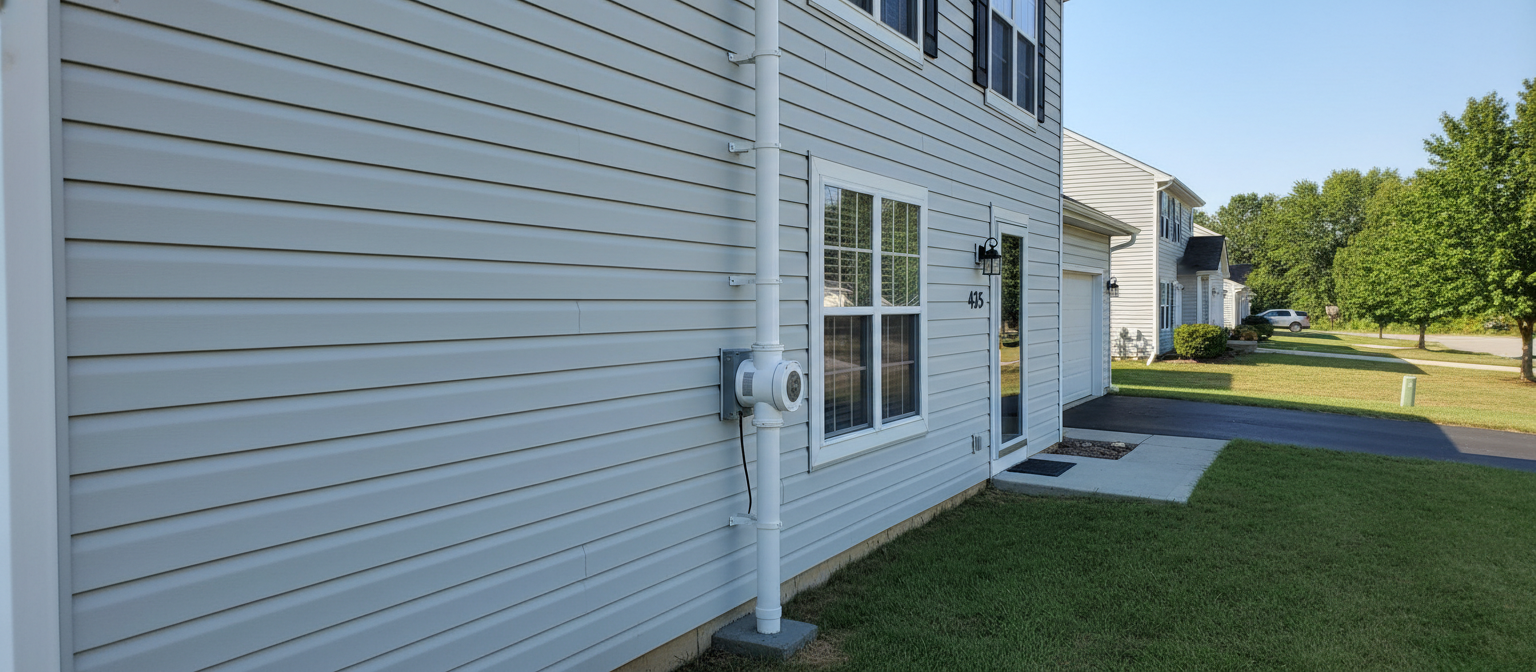
Radon Mitigation Systems for Columbus Ohio Homes
Eliminate dangerous radon levels with proven active soil depressurization technology. Up to 99% effective, installed in a single day by certified professionals.
How Radon Mitigation Systems Protect Your Columbus Home
If your Columbus home has tested at or above 4.0 pCi/L for radon, you need a mitigation system. The good news is that modern radon mitigation technology is remarkably effective -- active soil depressurization (ASD) systems reduce radon levels by up to 99%, transforming a hazardous environment into a safe living space in a matter of hours. At Columbus Radon Experts, we have installed over 1,700 mitigation systems across Central Ohio, and we design every installation to meet the unique conditions of your home and our region's challenging geology.
Radon mitigation is not a luxury -- it is a health necessity. The EPA estimates that radon causes approximately 21,000 lung cancer deaths per year in the United States. In Franklin County, where roughly 60% of homes exceed the EPA action level, thousands of families are exposed to elevated radon concentrations every day without knowing it. A professionally installed mitigation system eliminates this invisible threat and provides lasting protection for your household.
Understanding Active Soil Depressurization (ASD)
Active soil depressurization is the most widely used and most effective radon reduction technique in the world. The system works by creating a pressure differential beneath your home's foundation that prevents radon-laden soil gas from entering the living space. Here is how it works, step by step:
- Suction Point Installation: A hole is drilled through the basement slab or crawl space floor to access the gravel or soil beneath the foundation. This becomes the primary suction point where radon gas is collected.
- PVC Piping Network: Schedule 40 PVC piping (typically 3-inch or 4-inch diameter) is routed from the suction point through the interior of the home and up through the roof or along an exterior wall. The pipe extends above the roofline to safely discharge radon gas into the atmosphere, where it disperses to harmless concentrations.
- Radon Fan Installation: A specialized, continuously running radon fan is installed in the piping system -- typically in the attic, garage, or exterior of the home. This fan creates negative pressure (suction) beneath the slab, actively drawing radon gas from the soil before it can enter your home.
- Sealing and Finishing: All visible cracks, gaps, and openings in the foundation are sealed with polyurethane caulk to maximize the system's efficiency. Sump pit lids are sealed with airtight covers. The system is then tested to verify proper pressure field extension across the entire sub-slab area.
Sub-Slab Depressurization: The Technical Details
Sub-slab depressurization (SSD) is the specific ASD technique used in homes with poured concrete or block foundations -- which describes the vast majority of Columbus-area homes. The effectiveness of an SSD system depends on achieving adequate pressure field extension beneath the entire foundation. This means the suction created at one point must reach all areas under the slab.
In Columbus, achieving good pressure field extension requires understanding our local soil conditions. The region's glacial till soil is composed primarily of dense clay intermixed with sand, gravel, and cobbles deposited during the last ice age. This clay-heavy composition can be both a challenge and an advantage for radon mitigation. While dense clay restricts air movement (making it harder to achieve suction across large areas), it also means that once a proper system is installed, the clay acts as a natural barrier that enhances the system's performance.
Our technicians perform diagnostic testing before every installation, including sub-slab communication tests and pressure field extension measurements. For homes with particularly dense clay soils or large footprints, we may install multiple suction points to ensure complete coverage. This attention to detail is what separates a system that merely runs from one that actually protects your family.
Radon Fan Types and Selection
The radon fan is the heart of your mitigation system, and selecting the right fan is critical to performance, noise levels, and energy efficiency. We install only professional-grade fans from trusted manufacturers, and we match the fan to your home's specific requirements based on our diagnostic testing.
- Low-suction fans (20-40 watts): Ideal for homes with good sub-slab communication, gravel beds, and smaller footprints. These fans operate quietly and consume minimal electricity -- about $3-5 per month.
- Medium-suction fans (50-80 watts): The most common choice for Columbus-area homes with moderate clay content. These provide excellent pressure differential while maintaining reasonable energy consumption of $5-8 per month.
- High-suction fans (100-160 watts): Required for homes with very tight sub-slab conditions, extensive clay soils, or large foundation footprints requiring long piping runs. Energy cost is approximately $8-14 per month.
Every fan we install is designed for continuous 24/7 operation and carries a manufacturer warranty. The typical fan lifespan is 7 to 12 years, and we offer maintenance plans that include annual monitoring and fan replacement when performance begins to decline.
Installation Day: What to Expect
One of the greatest advantages of radon mitigation is how quickly it can be completed. Most residential installations are finished in a single day, typically in 4 to 8 hours. Here is what you can expect on installation day:
Our crew arrives in the morning with all materials and equipment. We begin by coring the suction point through your basement floor, which takes about 30 minutes and produces some dust and noise (we use containment measures to minimize mess). We then excavate a small pit beneath the suction point to create an air pocket that enhances the system's drawing power.
Next, we route the PVC piping from the suction point through the home and up to the discharge point above the roofline. We work with you to determine the most aesthetically pleasing route -- often running pipe through closets, utility rooms, or garage spaces. For exterior runs, the pipe is mounted flush against the house and can be painted to match your siding.
The radon fan is installed in its designated location and connected to the piping system. We then seal all foundation cracks and openings, install the sump pit cover (if applicable), and activate the system. Before we leave, we install a U-tube manometer (a simple visual indicator) on the piping so you can confirm at a glance that your system is operating properly.
Radon Mitigation System Costs in Columbus
The cost of a radon mitigation system in the Columbus area typically ranges from $800 to $2,500. The final price depends on several factors specific to your home:
- Foundation type: Homes with full basements are generally straightforward. Homes with crawl spaces, multiple foundation types, or additions may require additional work.
- Home size and layout: Larger homes or homes with complex floor plans may need multiple suction points or longer piping runs.
- Soil conditions: Dense clay soils common in parts of Columbus may require higher-capacity fans or additional suction points.
- Piping route: Interior routing through finished spaces requires more care and finishing work than exterior installations.
- Accessibility: Ease of access to the attic, basement, and exterior walls affects labor time.
Most standard Columbus-area installations fall in the $1,000 to $1,500 range. We provide detailed, written estimates at no charge and never pressure you into a decision. Our pricing includes all materials, labor, system commissioning, the post-installation radon test, and our warranty coverage.
Warranty and Long-Term Performance
Every radon mitigation system we install comes with comprehensive warranty coverage. Our system warranty covers all components including piping, fittings, sealants, and installation workmanship. The radon fan carries its own manufacturer warranty, and we stand behind the overall system's ability to reduce radon to safe levels.
We recommend a post-installation radon test within 24 to 48 hours of system activation, and we include this test with every installation. If your post-mitigation levels are not below 4.0 pCi/L (and we aim for well below 2.0 pCi/L), we will modify the system at no additional cost until satisfactory levels are achieved.
For ongoing peace of mind, we offer annual maintenance inspections that include fan performance verification, manometer reading confirmation, visual inspection of all piping and seals, and a follow-up radon test. Regular maintenance ensures your system continues to protect your family for decades to come.
Columbus Geology and Why It Matters for Mitigation
The Columbus metropolitan area sits within the Till Plains region of Ohio, characterized by glacial deposits that can be hundreds of feet thick in some areas. This glacial till is a heterogeneous mixture of clay, silt, sand, gravel, and boulders left behind by retreating glaciers roughly 14,000 years ago.
The clay composition of Columbus soils creates unique challenges for radon mitigation. Dense clay restricts horizontal air flow beneath the slab, which means a single suction point may not create adequate pressure field extension across the entire foundation. Our technicians account for this by performing communication tests at multiple locations before finalizing the system design. In homes with particularly tight soils, we install additional suction points or use higher-capacity fans to ensure complete coverage.
Conversely, the gravel lenses and sand deposits found within the glacial till can create preferential pathways for radon migration. These natural channels can concentrate radon gas and deliver it directly beneath your foundation. Our diagnostic process identifies these conditions so we can target our suction points where they will be most effective.
Built for Columbus Homes
Our mitigation systems are engineered for Central Ohio's unique geology and your home's specific conditions.
99% Effective
Active soil depressurization reduces radon to safe levels in virtually every home. Most systems achieve readings well below 2.0 pCi/L.
Same-Day Install
Most systems are fully installed and operational in 4 to 8 hours. Your home starts getting protected the moment we turn on the fan.
Lifetime Warranty
Comprehensive warranty on all system components and installation workmanship. We guarantee your radon levels will be reduced to safe levels.
Radon Mitigation System Questions
Everything you need to know about installing a radon mitigation system in your Columbus home.
How does a radon mitigation system work?
How much does a radon mitigation system cost in Columbus?
How long does it take to install a radon mitigation system?
How effective are radon mitigation systems?
How long does a radon mitigation system last?
Will a radon mitigation system affect my home's appearance or value?
Complete Radon Protection
Explore our complementary services for comprehensive home protection against radon and moisture.
Professional Radon Testing
EPA-approved short-term and long-term radon testing with continuous monitors and detailed analysis reports.
Crawl Space Encapsulation
Comprehensive vapor barrier and sealing solutions that address both radon and moisture issues in crawl spaces.
New Construction Radon
Radon-resistant new construction techniques and pre-pipe installations for homes being built in Central Ohio.
Protect Your Home with a Radon Mitigation System
Get a free, no-obligation estimate for a professionally installed radon mitigation system. Most installations completed in one day.